Mumbai — once Bombay — is India's financial capital, its entertainment powerhouse and, by common consent, its most electric city. Built on a cluster of seven islands that were painstakingly reclaimed and stitched together into a single peninsula over the centuries, it grew from a sleepy fishing settlement of the Koli people into a teeming metropolis of more than twenty million. Money moves here, films are dreamed here, and millions of strangers chase their fortunes shoulder to shoulder. They call it the maximum city, and a day on its streets quickly tells you why.
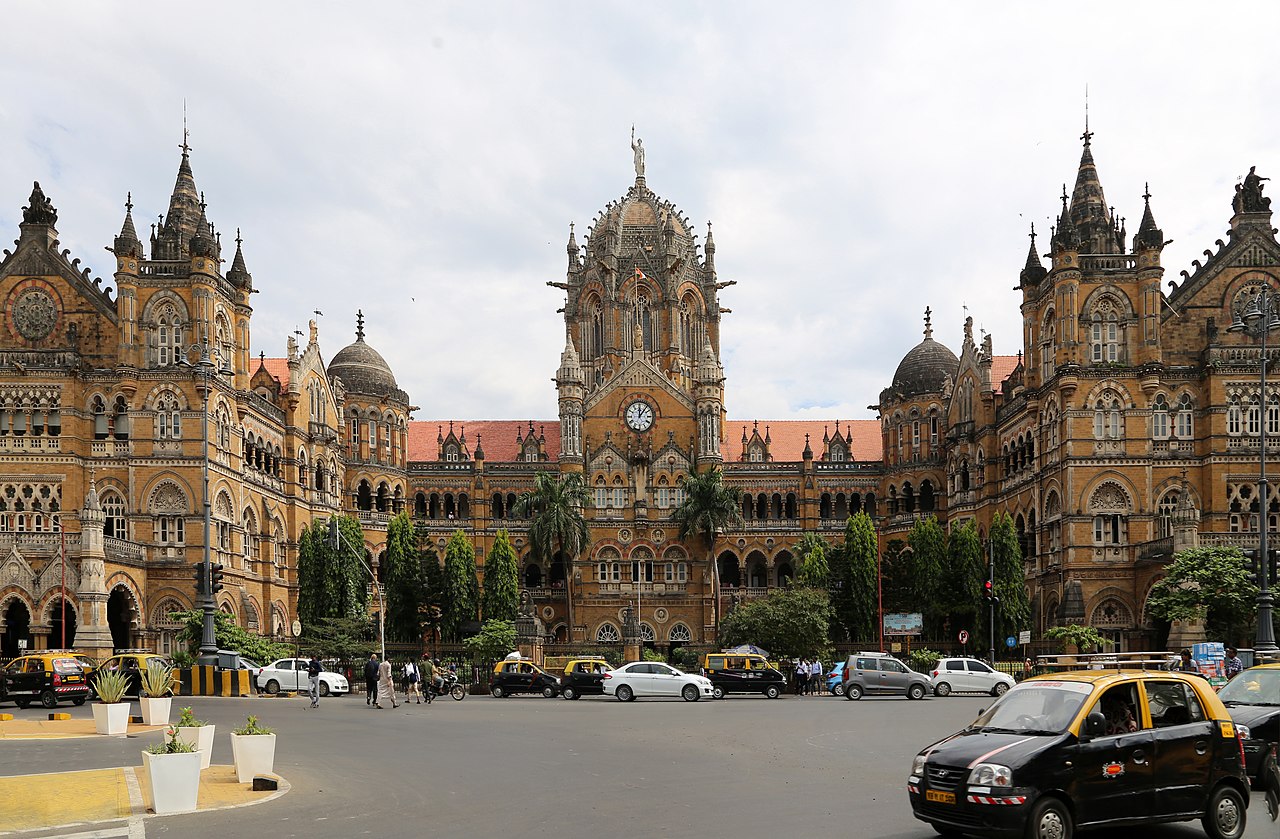
The Mumbai most visitors fall for is the grand colonial South Mumbai, a remarkable open-air museum of architecture. Sweeping Victorian-Gothic public buildings and one of the world's finest collections of seafront Art Deco apartments stand within walking distance of each other — a pairing so unusual that UNESCO inscribed the precinct as a World Heritage Site in 2018. From the basalt arch of the Gateway of India to the elegant curve of Marine Drive, the city wears its history beautifully along the Arabian Sea.
Yet Mumbai is defined just as much by its relentless forward motion. This is the beating heart of Bollywood, the world's most prolific film industry, and a place where street-side vada pav stalls sit a few blocks from designer boutiques and the trading floors that drive the nation's economy. For travelers it makes a thrilling gateway to western India and the beaches of Goa — give it two or three days to feel its pulse, and come hungry, curious and ready to keep moving.