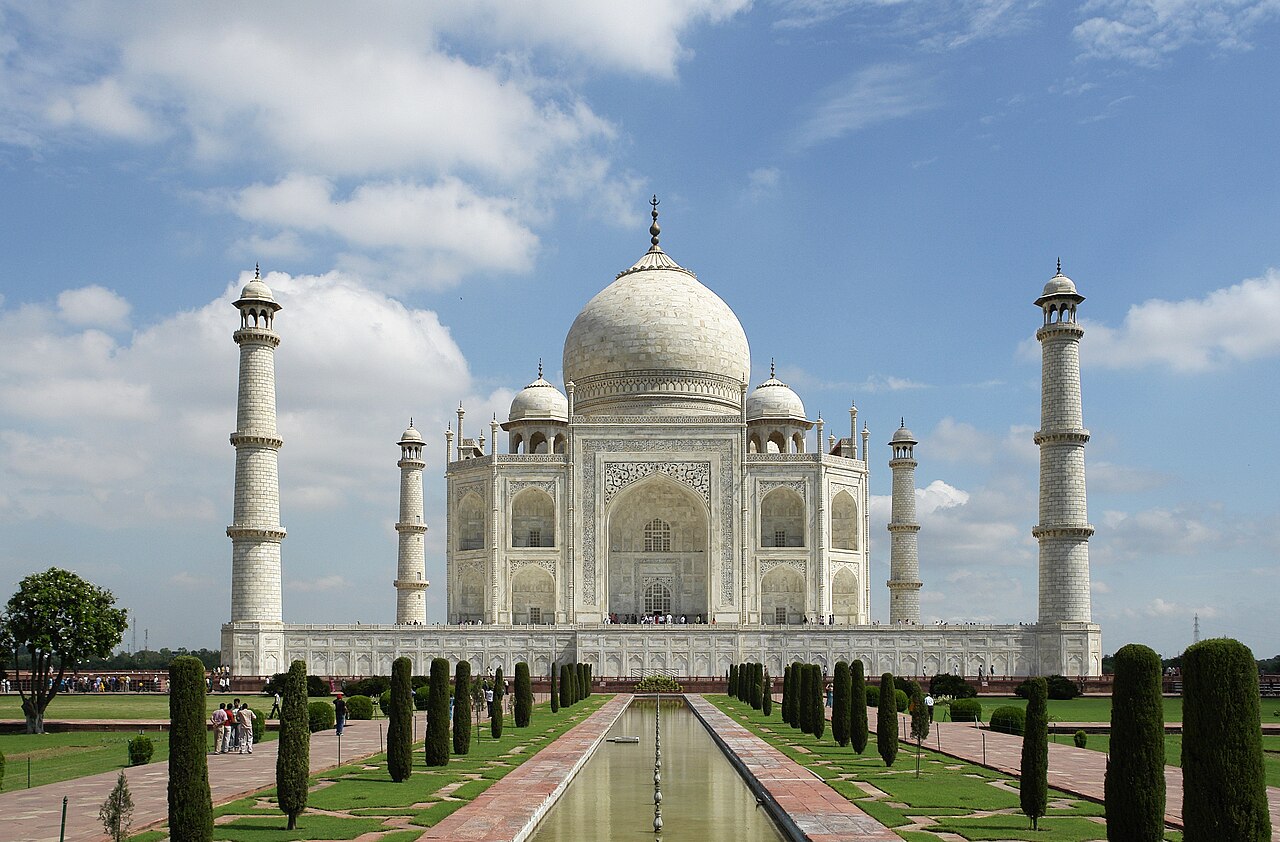
For millions of travelers, the very idea of India begins with a single, perfect image — the dome of the Taj Mahal floating above the morning mist on the Yamuna. That monument alone draws the world to Agra, a riverside city in Uttar Pradesh that once stood at the very centre of Mughal power. Under emperors Akbar, Jahangir and Shah Jahan, Agra was the imperial capital for much of the 16th and 17th centuries, and the wealth and artistry of that age are written across the city in red sandstone and white marble.
What makes Agra exceptional is its concentration of greatness. Three of India's most celebrated UNESCO World Heritage Sites sit within easy reach: the Taj Mahal itself, the mighty Agra Fort from which the empire was governed, and the ghostly, perfectly preserved capital of Fatehpur Sikri just to the west. Few places anywhere let you walk through such grandeur in so short a time, which is exactly why Agra forms the dazzling middle point of North India's famous Golden Triangle with Delhi and Jaipur.
Yet Agra rewards the traveler who lingers. This is a city of craft as much as of monuments — its workshops keep alive the centuries-old art of pietra dura, the painstaking inlay of marble with semi-precious stones that decorates the Taj itself. Its kitchens turn out rich Mughlai cuisine and the sweet, translucent petha that visitors carry home by the boxful. One to two unhurried days are enough to see the headline sights, ideally with a sunrise at the Taj and a sunset across the river — two moments you will never forget.