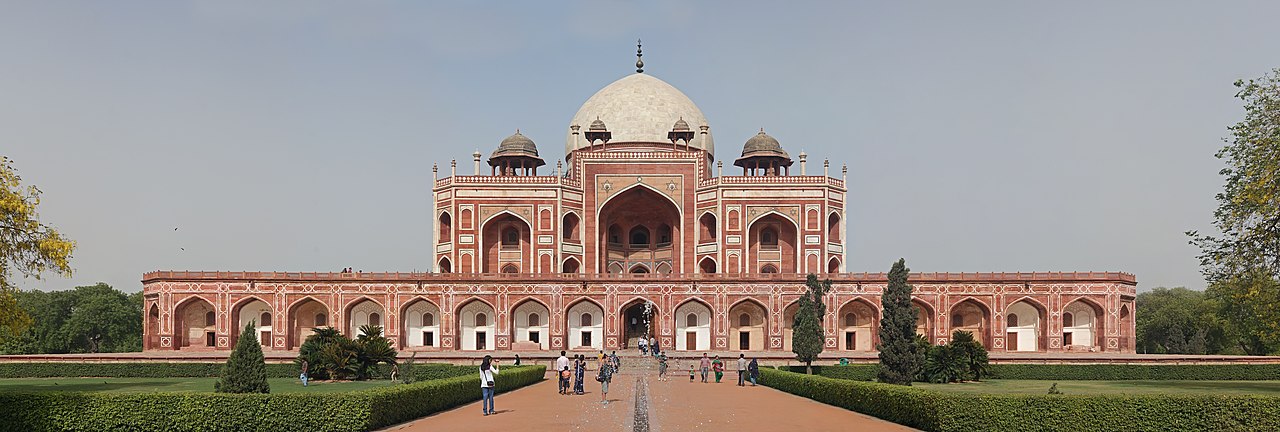
Few cities on earth wear their history quite as openly as Delhi. India's sprawling capital is, in truth, a layering of at least seven historic cities, each built and abandoned by successive dynasties over more than a thousand years. The result is a metropolis where a 12th-century minaret, a 16th-century Mughal garden-tomb and a sweeping colonial avenue can all be visited in a single afternoon.
The city splits, broadly, into two souls. Old Delhi — the walled city of Shahjahanabad founded by Shah Jahan — is a glorious tangle of narrow lanes, spice markets and the call to prayer drifting from the colossal Jama Masjid. A few kilometres south, New Delhi, laid out by Edwin Lutyens, unfolds in ordered, tree-lined elegance around India Gate.
For travelers, Delhi is the natural gateway to North India and the starting point of the famous Golden Triangle with Agra and Jaipur. Three of its monuments — the Qutub Minar, Humayun's Tomb and the Red Fort — are UNESCO World Heritage Sites, and you'll want at least two unhurried days to do them justice.